
Understanding how to successfully manage a residential building is one of the most important skills for any property owner or real estate investor, especially with the rapid growth of the real estate market. Effective management goes beyond simply collecting rent—it includes maintaining the property, reducing vacancies, and maximizing returns.
By mastering how to successfully manage a residential building, you can turn your property from a static asset into a stable and growing source of income.
1. Establish a Clear Property Management System
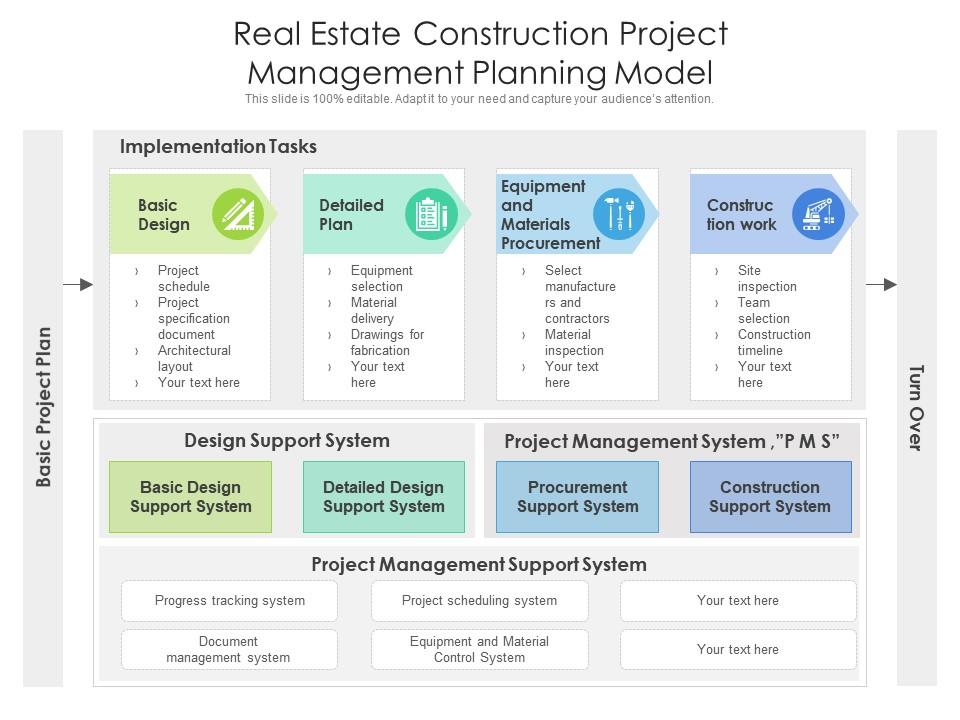
To successfully manage any residential building, you need a structured system. Random or unorganized management leads to problems with tenants and maintenance.
Your system should include:
-
Clear and written lease agreements
-
A fixed rent collection schedule
-
A regular maintenance plan
-
A complete tenant record system
This ensures full control over all aspects of your property.
2. Choose the Right Tenants
Selecting the right tenant is a key factor in successful residential property management. A reliable tenant significantly reduces potential issues.
How to choose a good tenant:
-
Verify financial stability
-
Review rental history
-
Ensure commitment to lease terms
-
Confirm expected duration of stay
Choosing the right tenant is a fundamental step in learning how to successfully manage a residential building.
3. Smart Rent Collection Strategies
 |
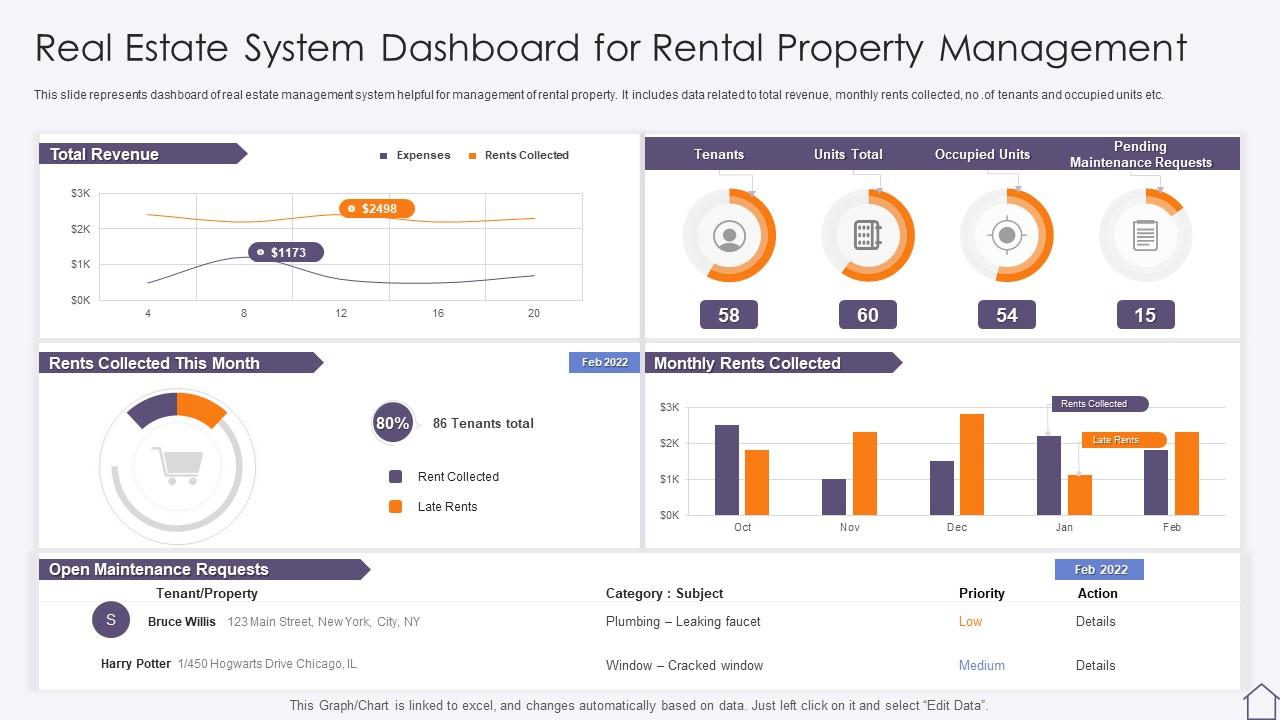 |
Rent collection is at the core of real estate investment, but traditional methods can lead to delays and complications.
Best practices include:
-
Using bank transfers or digital payments
-
Setting a fixed payment date
-
Sending reminders before due dates
-
Applying late fees (as per contract terms)
These steps help reduce delays and improve cash flow.
4. Regular Maintenance = Protect Your Investment
Maintenance is not a cost—it is an investment that preserves property value.
Types of maintenance:
-
Preventive (scheduled) maintenance
-
Emergency repairs
-
Property upgrades and improvements
For example, fixing a minor leak early can prevent major future expenses. Maintenance is essential in how to successfully manage a residential building.
5. Reduce Vacancy Rates
 |
 |
 |
Vacant units mean direct financial loss. Therefore, minimizing vacancies should be a priority.
How to reduce vacancies:
-
Set competitive pricing
-
Use professional property photography
-
Advertise on real estate platforms
-
Respond quickly to inquiries
Additionally, improving tenant satisfaction increases lease renewals.
6. Manage Tenant Relationships Effectively
Maintaining a good relationship with tenants ensures long-term stability.
Key practices:
-
Respond quickly to complaints
-
Respect tenant privacy
-
Maintain transparency
-
Follow lease agreements
Poor relationships can lead to disputes and frequent vacancies.
7. Control Expenses and Increase Profitability
Successful property management requires balancing costs and income.
Important tips:
-
Track all expenses
-
Reduce unnecessary costs
-
Negotiate with service providers
-
Improve operational efficiency
This helps maximize returns from your residential building.
8. Use Technology in Property Management
Technology has become an essential part of modern property management.
Examples include:
-
Property management software
-
Digital payment systems
-
Maintenance tracking apps
-
Electronic contract storage
Using technology greatly simplifies how to successfully manage a residential building.
9. When Do You Need a Property Management Company?
In some cases, hiring a professional property management company is the best option.
You may need one if:
-
You own multiple properties
-
You lack time for management
-
You face tenant-related issues
-
You want to increase investment returns
A property management company can save time and ensure professional handling of your property.
Useful Resources
-
Ministry of Municipal and Rural Affairs and Housing:
https://www.momra.gov.sa -
Real Estate General Authority:
https://rega.gov.sa
Conclusion
Learning how to successfully manage a residential building depends on several integrated factors, including choosing the right tenants, improving rent collection systems, maintaining the property, and reducing vacancies.
On the other hand, poor management can lead to significant losses—even with a high-quality property.
Therefore, if you aim to achieve stable income and increase your investment value, applying these strategies or working with a professional property management company is the best approach.