
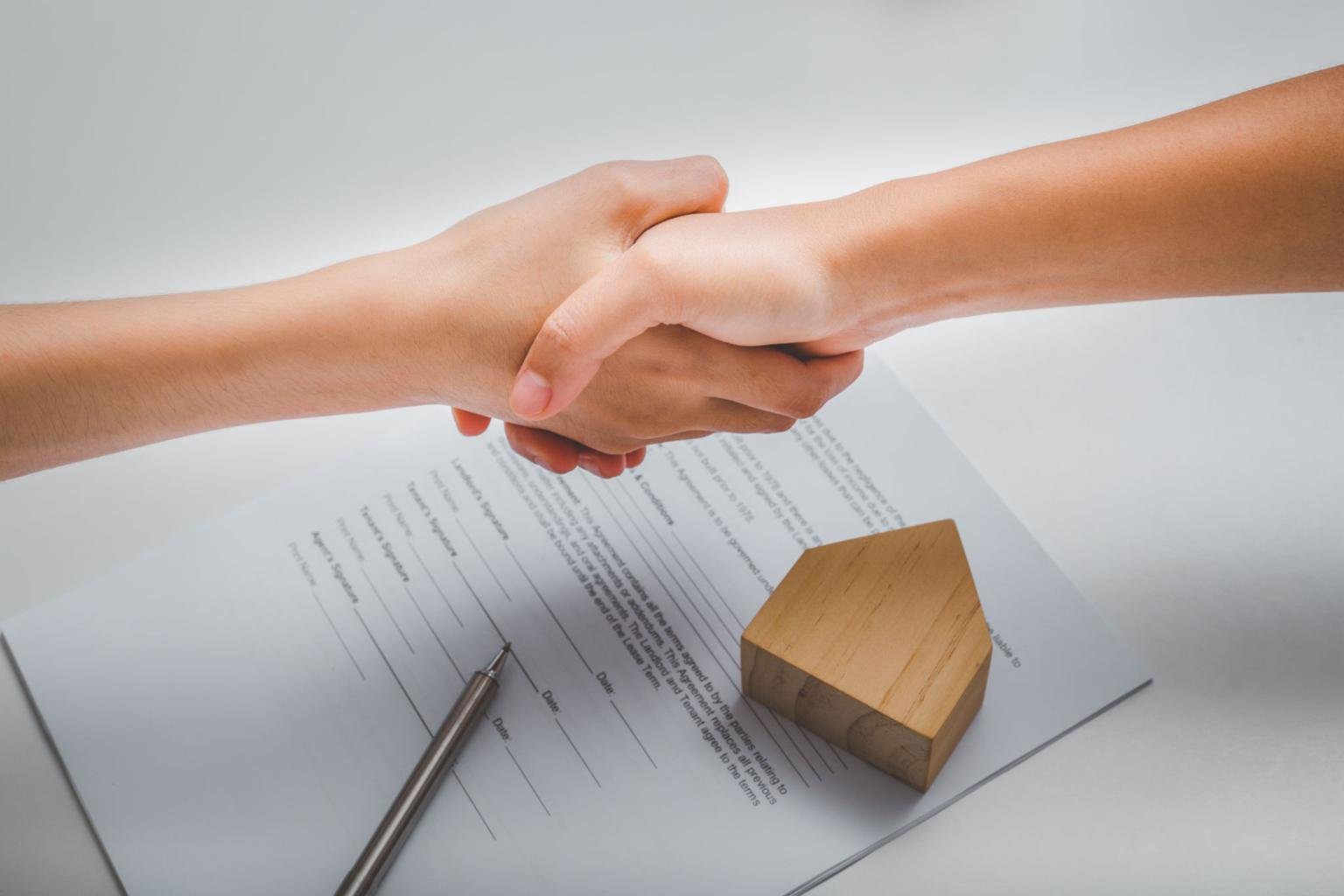
Tips to reduce disputes between landlords and tenants are essential for every property owner or property manager. Disputes are not only frustrating, but they can also lead to financial losses, delayed rent collection, and even the loss of good tenants.
Applying effective tips to reduce disputes between landlords and tenants helps build a stable relationship, ensure consistent income, and minimize legal issues.
1. Create a Clear and Detailed Lease Agreement

The lease agreement is the foundation of the relationship between the landlord and the tenant. The clearer the contract, the lower the chances of disputes.
A proper lease agreement should include:
-
Rent amount and payment schedule
-
Contract duration
-
Maintenance terms
-
Eviction conditions
-
Responsibilities of both parties
For example, unclear maintenance responsibilities can lead to ongoing conflicts.
2. Choose the Right Tenant from the Start
Tenant selection is a critical step, as many disputes begin with choosing the wrong tenant.
How to choose a good tenant:
-
Verify financial stability
-
Review rental history
-
Confirm employment status
-
Clarify the purpose of renting
A good tenant significantly reduces the likelihood of future disputes.
3. Maintain Clear and Continuous Communication
 |
 |
Communication is the key to avoiding misunderstandings. Poor communication often leads to unnecessary conflicts.
Communication tips:
-
Respond quickly to inquiries
-
Use clear and respectful language
-
Document all agreements in writing
-
Inform tenants of any changes
This reduces the chances of escalation and disputes.
4. Clearly Define Maintenance Responsibilities
Maintenance is one of the most common causes of disputes between landlords and tenants.
The solution:
-
Clearly define what is the landlord’s responsibility and what is the tenant’s
-
Set a clear reporting process for issues
-
Define response times for repairs
Typically, major repairs are the landlord’s responsibility, while minor issues fall on the tenant.
5. Comply with Laws and Regulations
 |
 |
 |
Following legal regulations protects both parties and significantly reduces disputes.
Examples include:
-
Officially documenting the lease contract
-
Following legal eviction procedures
-
Respecting tenant rights
Understanding the law is essential for every property owner.
6. Handle Problems Professionally
Even with proper systems in place, issues may arise. The way you handle them determines the outcome.
How to handle disputes:
-
Listen to the other party
-
Seek a fair compromise
-
Avoid escalation
-
Always document the issue
Unprofessional handling can make disputes worse.
7. Use a Mediator or Property Management Company
 |
 |
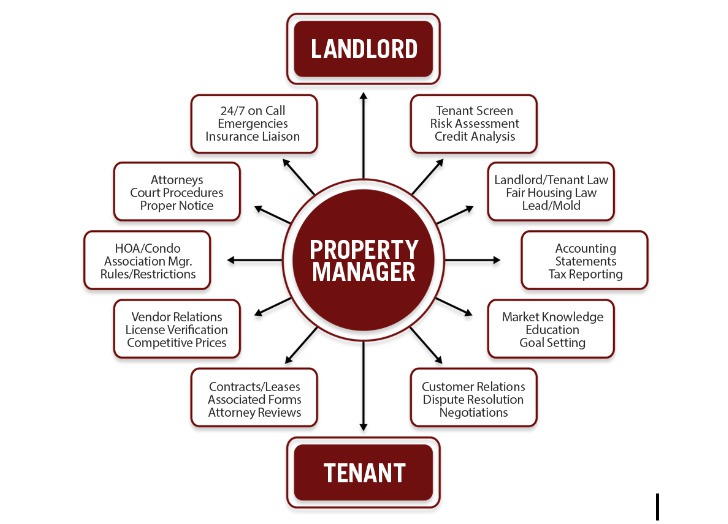 |
In many cases, involving a third party helps reduce conflicts.
Benefits of property management companies:
-
Managing contracts
-
Resolving disputes
-
Collecting rent
-
Handling maintenance
Working with professionals reduces direct friction between landlords and tenants.
8. Document Everything
Documentation protects you legally and helps prevent disputes.
What should be documented:
-
Contracts
-
Payments
-
Complaints
-
Maintenance requests
Proper documentation makes resolving disputes faster and easier.
Conclusion
Applying tips to reduce disputes between landlords and tenants is not optional—it is essential for maintaining a stable real estate investment.
It helps retain good tenants, reduce financial losses, and avoid legal issues. The more professional and organized your management approach is, the fewer disputes you will face—and the higher your returns will be.