
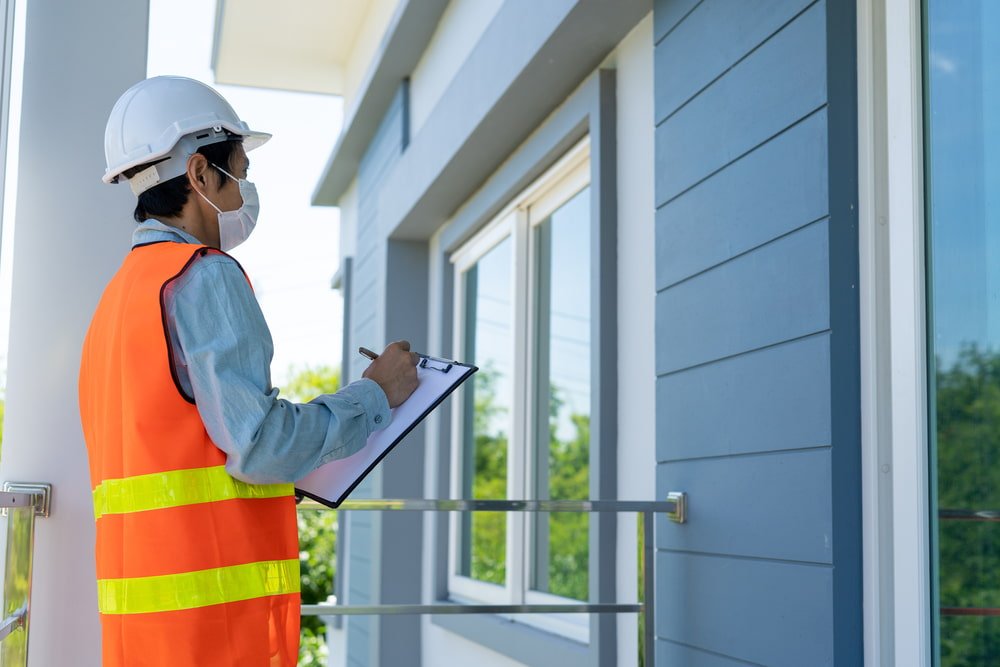
It is essential for investors to evaluate the property before buying to avoid overpaying and to ensure the investment is profitable. Buying a property without understanding its true value can lead to financial losses or lower investment returns than expected.
Successful investors carefully analyze several factors before making a purchase decision. The property evaluation process helps buyers understand the condition of the property, its location, and its market value compared to similar properties. As a result, investors can make more accurate and informed investment decisions.
How to Evaluate the Property Before Purchasing
 |
 |
 |
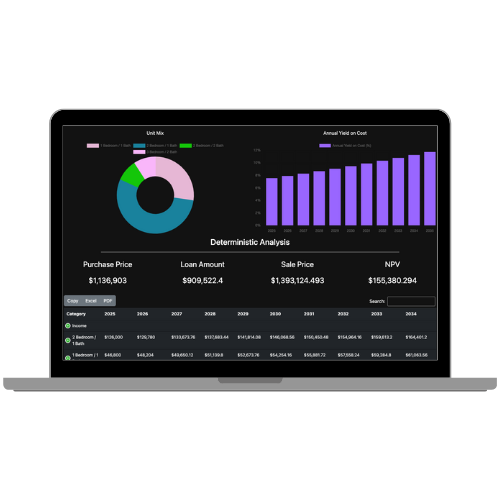
Before purchasing any property, it is essential to determine its actual market value. Property evaluation helps investors avoid paying more than the property is worth while also providing a clearer picture of potential future profits.
Key benefits of property evaluation before buying include:
-
Determining the fair market price of the property
-
Reducing investment risks
-
Understanding the potential rental income
-
Comparing the property with similar options in the market
This ensures that the purchase decision is based on accurate data rather than assumptions.
Analyzing the Property Location
 |
 |
 |
Location is one of the most important factors that influence property value. In fact, property prices can vary significantly from one area to another.
When evaluating a property’s location, investors should consider several factors, including:
-
Proximity to essential services
-
Availability of schools and hospitals
-
Easy access to main roads and transportation
-
The level of real estate demand in the area
Properties located in vibrant and well-developed areas often achieve stronger investment returns.
Comparing Property Prices in the Area
 |
 |
 |
Before buying any property, it is essential to compare its price with similar properties in the same location.
Typical comparison factors include:
-
Property size
-
Age of the building
-
Property type (apartment or villa)
-
Quality of finishing and interior condition
By comparing similar properties, investors can determine whether the asking price is reasonable and competitive.
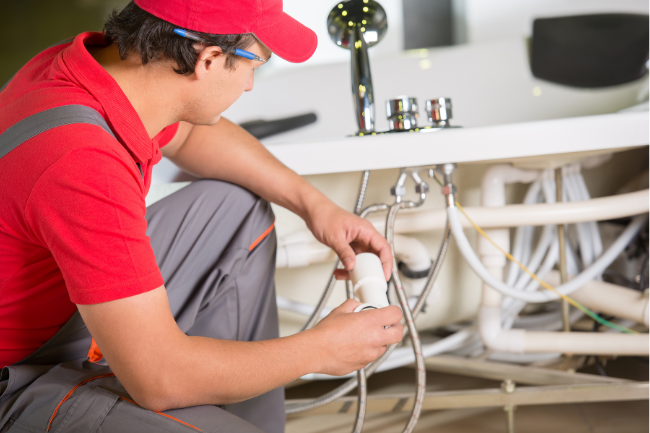
Inspecting the Technical Condition of the Property
Before making a final purchase decision, the property should be inspected from a technical and structural perspective.
This inspection usually includes:
-
Structural integrity of the building
-
Electrical and plumbing systems
-
Quality of finishing and materials
-
Condition of air conditioning systems and utilities
Through proper inspection, buyers can identify potential issues that may require expensive repairs in the future.
Calculating the Expected Investment Return
 |
 |
 |
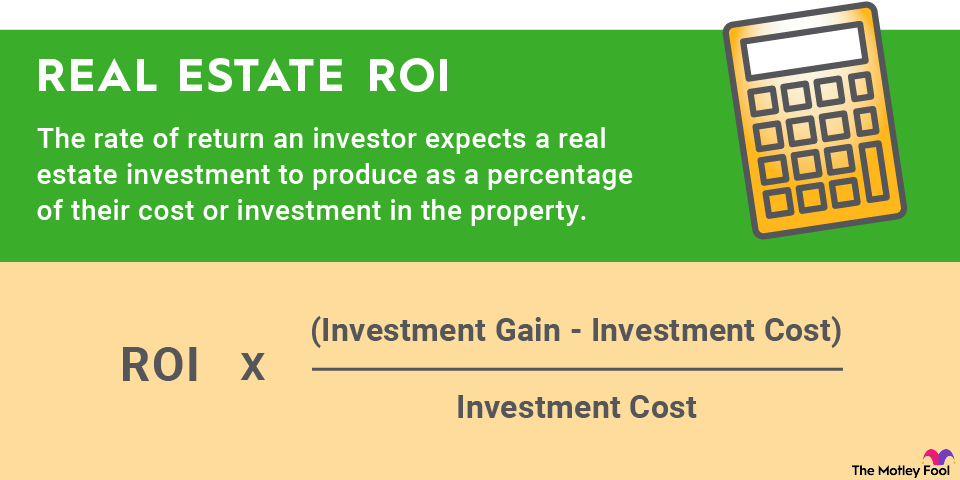
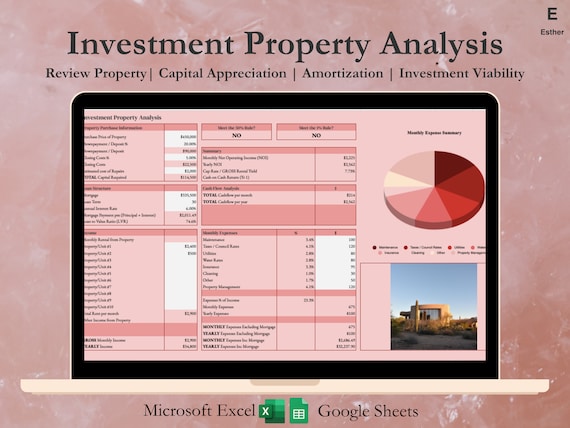
Estimating the expected return is an important step when evaluating a property before purchase.
The return can be estimated by considering several factors such as:
-
Annual rental income
-
Operating expenses
-
Maintenance costs
-
Demand levels in the area
This analysis helps investors determine whether the property represents a strong investment opportunity.
Consulting a Professional Property Valuation Expert
In some situations, it is advisable to consult a certified property valuation expert.
These professionals typically provide services such as:
-
Real estate market analysis
-
Determining the property’s market value
-
Preparing a detailed valuation report
Working with a professional can provide a more accurate assessment of the property’s value.
Important Tips Before Buying Property
To achieve a successful investment in the Saudi real estate market, buyers should follow several important guidelines:
-
Study the real estate market carefully
-
Avoid rushing into purchasing decisions
-
Compare multiple properties before buying
-
Review all legal documents thoroughly
These steps help reduce investment risks and increase the chances of successful property investment.
Conclusion
Evaluating a property before purchasing is a critical step in ensuring successful real estate investment in the Saudi market. Studying the property’s location, comparing prices, and inspecting its condition can help investors make well-informed decisions.
Taking the time to properly evaluate a property can reduce future financial risks and significantly increase the chances of achieving strong investment returns.